
Silicon Valley Faces a New Counterintelligence Reality in the Wake of the Nvidia Scandal
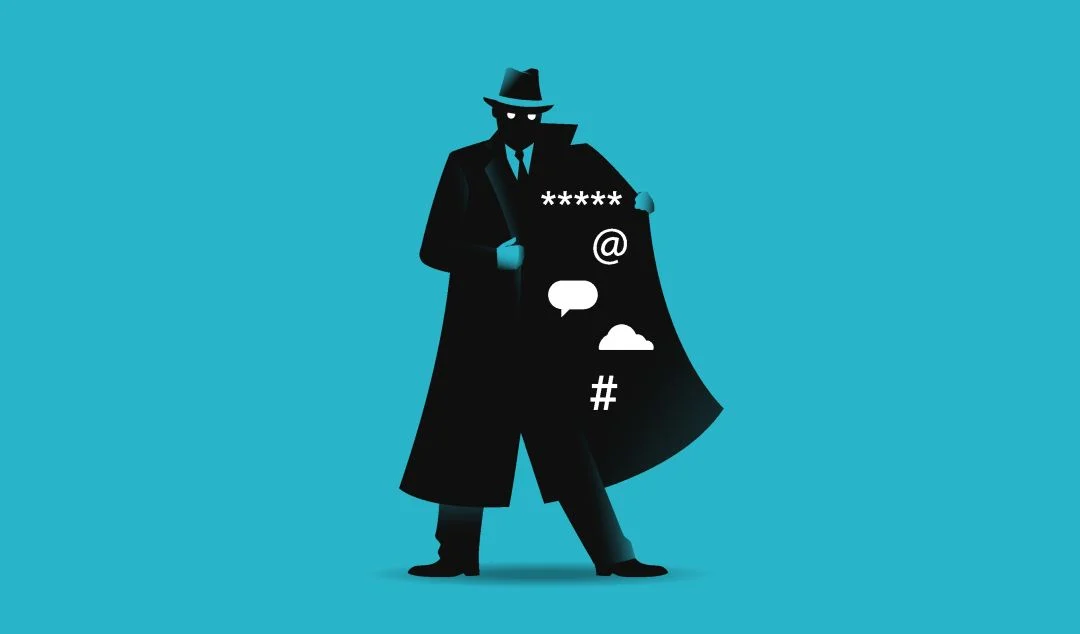
Even as the high-stakes fallout surrounding Nvidia and the alleged honey-trap scandal involving CEO Jensen Huang continues to unfold across international business and political circles, Silicon Valley has largely failed to reckon with an uncomfortable new reality: many more technology leaders and employees are at severe risk.
For decades, Silicon Valley operated under a tech-utopian ethos that prized open collaboration, rapid innovation, and frictionless global networking. That mindset left the industry fundamentally unprepared for the sophisticated, state-sponsored counterintelligence threats that now target its intellectual property.
"Nobody briefs founders on counterintelligence," Aaron Brown, a former senior intelligence officer with the CIA and current founder of the software company Lumbra, told TechCrunch.
Historically, honey traps and targeted espionage operations were strictly associated with high-ranking politicians, military personnel, and national intelligence operatives—individuals working behind formal security clearances who were explicitly trained to expect approach attempts from foreign adversaries. These traditional sectors possessed institutional frameworks designed to vet personal relationships, report suspicious encounters, and mitigate the risks posed by human vulnerabilities.
In stark contrast, the contemporary technology sector operates differently. Today, many of the world’s most economically and strategically valuable secrets do not reside in heavily guarded government vaults, but rather inside private corporate campuses building advanced semiconductors, foundational artificial intelligence models, and critical digital infrastructure.
"A spy wants what the CEO can touch," Brown explained. "The roadmap, the export decisions, the customer list, who gets the technology. The CEO is the shortest path to all of it."
The urgency of this threat was thrust into the global spotlight following explosive allegations involving Nvidia. Jensen Huang has been accused of falling for a classic honey-trap scheme through an alleged affair with Alice Huang. The individual in question is a former executive of a Singapore-based neocloud provider who has been accused by authorities of acting as a Chinese spy and orchestrating the illicit smuggling of billions of dollars’ worth of restricted, high-performance Nvidia chips directly into China in defiance of United States trade controls.
After the allegations regarding the Nvidia executive broke into the public domain, dark humor and viral jokes flooded internet forums speculating about which prominent tech CEO or founder might be targeted next. However, security experts emphasize that the danger extends far beyond the upper echelon of chief executives and startup founders.
Recent reporting from The Wall Street Journal revealed that artificial intelligence pioneer OpenAI has begun actively warning its rank-and-file employees about external actors attempting to cozy up to them in a covert search for proprietary corporate secrets, algorithms, and training methodologies. Anyone possessing access to sensitive company information—ranging from corporate board members and senior researchers down to executive assistants and operations staff—can become the target of a sophisticated honey-trap operation.
Contrary to popular cinematic depictions of romantic espionage, professional attackers rarely rely strictly on romantic entanglements. In practice, friendship and professional camaraderie represent some of the oldest and most effective honey-trap schemes in the history of intelligence gathering.
According to Brown, these operators frequently infiltrate corporate ecosystems by posing as legitimate investors, prospective enterprise customers, industry consultants, or corporate recruiters. Their initial outreach appears entirely normal and professional on paper, meaning they do not necessarily require their targets to fall in love or compromise themselves through blatant indiscretion.
"They need you to feel comfortable talking," Brown said. "They last longer because nobody’s looking."
This dynamic exposes a striking irony within the modern technology landscape. Countless tech founders and venture capitalists spend billions of dollars trying to automate, digitize, and optimize virtually every facet of human life through software and automation, yet they remain profoundly vulnerable to the oldest bug in human history: an adversary who expertly preys upon the fundamental human desire to be understood, validated, and trusted by others.
"Why fight through a firewall when you can get close to the person who can open doors, influence decisions, or make requests nobody wants to question?" noted Perry Carpenter, a criminologist and chief deception strategist at KnowBe4, in an interview with TechCrunch.
Once a target is successfully compromised and an intimate or deeply trusted relationship is established, the nature of the threat escalates rapidly. Attackers secure valuable insider information and, crucially, gain a powerful mechanism for future leverage and blackmail.
Adding another layer of complexity to the modern threat landscape is the advent of artificial intelligence itself, which has made honey-trapping significantly easier, faster, and cheaper to execute at scale. Historically, orchestrating a credible intelligence-gathering scheme required months or even years of painstaking background research, careful persona crafting, deep target profiling, and meticulous execution.
In the era of generative AI, bad actors can effortlessly conduct comprehensive OSINT research on a target, generate hyper-realistic fake social media profiles, construct elaborate digital backgrounds and career histories, and even synthesize convincing voice calls and video simulations to establish digital credibility.
"AI can help sustain an entire fictional backstory," Carpenter said. "The technology helps set the stage, but the deception ultimately plays out through human relationships."
Industry observers note that the broader artificial intelligence sector transformed overnight into a critical national security industry long before its corporate culture, compliance frameworks, and psychological defenses had time to adapt to the reality of the geopolitical chess board.
"Part of being honey-trapped is not knowing," Brown added. "It doesn’t feel like manipulation. It feels genuine, even lucky."
Defending against these insidious threats requires a shift in awareness and behavioral vigilance. Carpenter suggests that individuals should remain alert to unusual behavioral patterns, such as coincidental encounters that happen a little too frequently to be attributed to mere chance. Other warning signs include persistent, hyper-focused curiosity regarding proprietary work projects and colleagues, demands for absolute secrecy regarding casual meetups, and aggressive pressure for professional introductions or internal corporate information.
More serious red flags emerge when an acquaintance’s requests begin to escalate, gradually pushing the boundaries of what an employee would normally find comfortable or appropriate in a professional context.
"A simple gut check," Brown advised. "Would this person still be around if you lost your job tomorrow?"
Employees and executives alike must learn to recognize when personal emotions or flattery are subtly influencing critical professional decisions. Carpenter suggests establishing strict, clear boundaries between one’s personal social life and professional responsibilities. Within organizations, leadership must actively eliminate what he terms "executive exceptionalism"—the dangerous cultural assumption that established security policies, compliance protocols, and oversight rules do not apply to those holding immense power at the top of the corporate hierarchy.
Furthermore, internal company culture plays an indispensable role in mitigating espionage risks. Organizations must evaluate whether their employees feel genuinely safe raising concerns, challenging unusual external requests, and escalating potential security threats without fear of professional retaliation.
"One of the most dangerous security cultures is one where nobody feels comfortable questioning the CEO," Carpenter said, highlighting the systemic vulnerabilities created by unchecked corporate authority and sycophantic internal environments.
Ultimately, industry experts stress that while caution is warranted, fear should not paralyze innovation. Founders and business leaders must take calculated risks and aggressively explore new global market opportunities to remain competitive in a fast-moving economy.
"Founders need to take risks, and they need to explore business opportunities," Brown concluded. "Paranoia doesn’t help. Recognizing you’re a target does."
| Source | : | Finance Poetry |
| Author | : | rifanmuazin |
| Editor | : | Finance Poetry Editorial Team |